
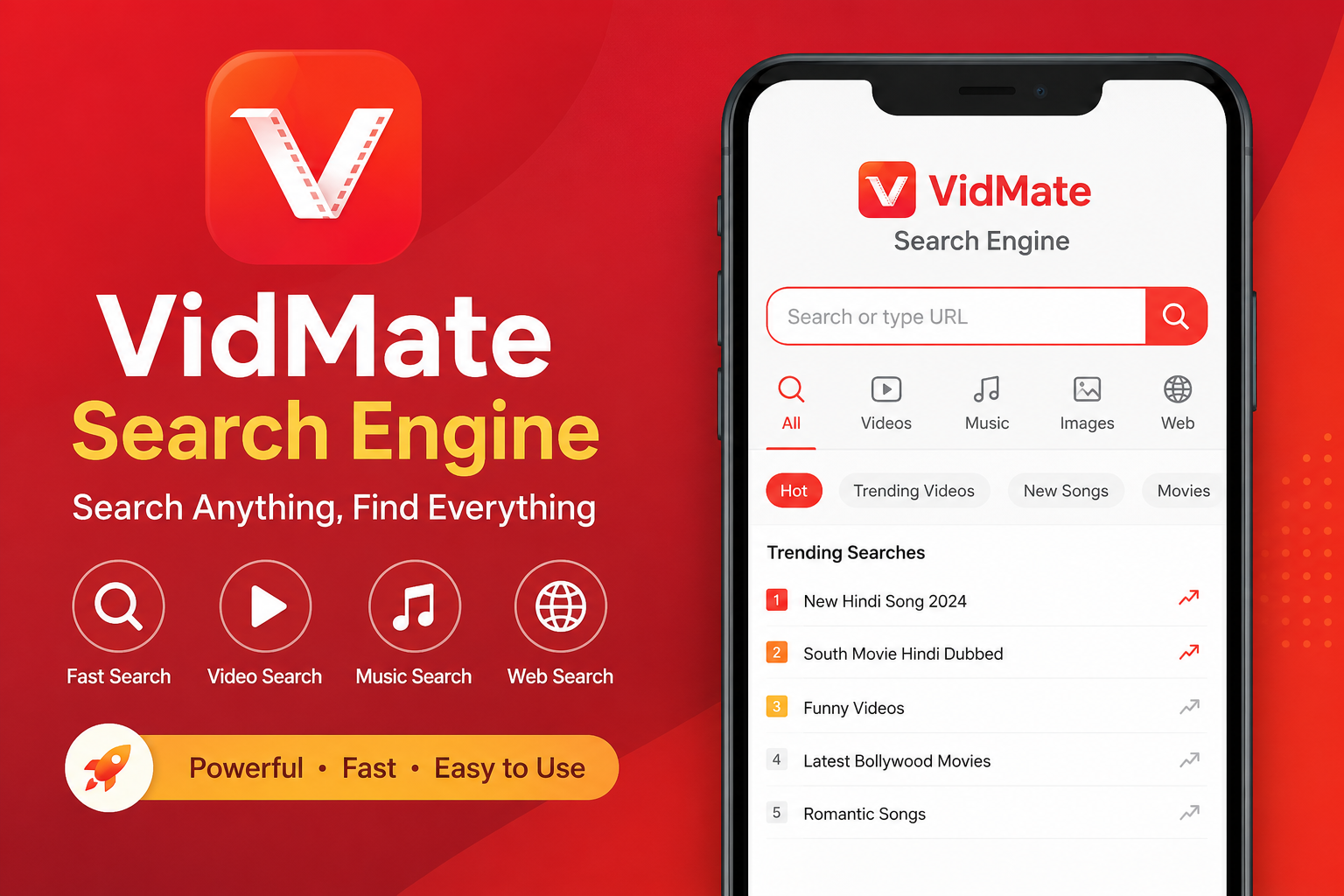
In today’s fast-paced digital world, online video streaming has become a primary source of daily entertainment. However, maintaining continuous access to your favorite clips, tutorials, and music tracks without an internet connection is equally important. Whether you are traveling through remote areas, conserving mobile data, or building an offline collection, using a reliable video downloader simplifies your media management.
Overall, this comprehensive guide covers everything about using a modern video downloader, its essential features, safe download practices, and simple solutions to common playback issues.
What is a Video Downloader?
A video downloader is a specialized software tool or web utility designed to save online media directly into local storage. Consequently, it allows users to convert streaming files into accessible offline formats like MP3 and MP4.
Unlike standard web browsers, a dedicated downloader handles multi-threaded processing automatically. Furthermore, it gives you complete authority over output qualities, resolution choices, and storage locations across all your devices.
vidmate download
Key Benefits of Using a Video Downloader
While streaming platforms offer convenience, relying solely on active internet connections brings clear limitations. However, utilizing a dedicated downloader provides several immediate performance benefits:
- Offline Access Anywhere: Above all, enjoy uninterrupted media playback without relying on mobile data or unstable Wi-Fi networks.
- Format Flexibility: Meanwhile, convert online clips directly into portable MP3 audio or HD video files effortlessly.
- High-Speed Processing: Finally, acceleration engines split large video files to speed up overall transfer rates.
Essential Features of a High-Quality Video Downloader
Understanding the main features of a modern downloading tool, first of all, helps you choose the best option for your daily needs. Below are the core capabilities you should always look for:
1. Multi-Threaded Acceleration Engine
A powerful video downloader splits incoming media streams into smaller virtual segments. Because it processes these segments concurrently, it dramatically boosts download speeds even on slower networks.
2. Flexible Output Resolution Choices
Naturally, users can choose from a broad range of video resolutions based on device storage capacity. For example, options range from space-saving 360p up to crisp 1080p HD and 4K resolutions.
3. Integrated MP3 Audio Extraction
Sometimes, you only need the background audio or music from a clip. In that case, a good downloader converts the media instantly, letting you save audio files in high-quality MP3 formats without installing separate software.
4. Smart In-App Media Player
Additionally, advanced download tools feature built-in media players for immediate playback. As a result, this capability allows you to preview saved files smoothly without switching to third-party applications.
How to Use a Video Downloader Safely
Because online security is crucial, downloading media files manually requires safe browsing practices. Therefore, you can follow these simple steps to save files safely on your phone or computer.
Step 1: Copy the Media Link
- First, open your preferred video streaming platform or social media site.
- Next, locate the video you wish to save offline.
- After that, click the Share button and copy the direct URL link.
Step 2: Paste Link and Select Quality
- To begin, open your chosen video downloader tool or application.
- Then, paste the copied URL into the primary input bar.
- Meanwhile, select your desired resolution such as 720p HD or MP3 audio.
Step 3: Complete the Download Process
- Initially, click the primary Download button to initiate the transfer process.
- Next, monitor the progress bar until the file transfer finishes completely.
- Finally, open your device file manager to verify and play your newly saved media file.
System Requirements and Device Compatibility
Overall, modern downloading software is designed efficiently so that it runs smoothly across smartphones, tablets, and desktop computers alike.
| Parameter | Minimum Requirement | Recommended Level |
|---|---|---|
| Operating System | Android 5.0 / Windows 7 | Android 9.0+ / Windows 10+ |
| RAM Space | 1 GB RAM | 4 GB+ RAM |
| Storage Capacity | 100 MB free space | 2 GB+ free space |
| Network Speed | 3G / 4G LTE | High-Speed Wi-Fi / 5G |
Essential Performance Optimization Tips
To ensure maximum download speeds and keep your application running smoothly, apply these helpful operational tips:
- Limit Active Tasks: For instance, keep simultaneous active downloads to 2 or 3 files to prevent network bottlenecking.
- Choose Optimal Quality: Similarly, select 720p HD resolution for mobile screens to balance visual quality and storage usage.
- Enable Wi-Fi Only: Additionally, adjust settings to download large files only when connected to Wi-Fi to avoid data overages.
Quick Troubleshooting Guide for Common Errors
If you encounter unexpected playback or saving errors, use these straightforward solutions:
Issue 1: Download Process Fails
- Reason: Typically, this stems from an unstable internet connection or outdated software version.
- Fix: First, check your active network connection, then restart the application, and finally attempt the download again.
Issue 2: Sluggish Transfer Speeds
- Reason: Often, this results from network congestion or too many background applications running simultaneously.
- Fix: Instead, pause active background tasks immediately, clear temporary cache files, or reconnect to a stronger Wi-Fi network.
Issue 3: Media File Corrupted
- Reason: Usually, this happens due to an incomplete download transfer or unsupported file extension.
- Fix: Ultimately, delete the corrupted file first and re-download the media using standard MP4 format.
Frequently Asked Questions (FAQs)
1. Is a video downloader free to use? Yes, most basic downloading tools are completely free to download, install, and use for offline file saving.
2. Can I convert online clips to MP3 directly? Indeed, modern tools include built-in audio converters that extract clean MP3 or M4A files automatically.
3. Does using a video downloader slow down my device? No, because lightweight tools are carefully optimized, they consume minimal system memory during background operation.
4. Can I pause and resume active downloads? Certainly, advanced tools include complete download managers that allow you to pause, resume, or restart transfers anytime.
5. Where are my downloaded media files saved? By default, all saved files are placed automatically inside your default device storage under the Downloads directory path.
6. Can I save HD videos on my smartphone? Absolutely, you can choose high-definition options including 720p, 1080p, and higher resolutions based on source quality.
7. Do I need an active internet connection to play saved files? Not necessarily — once your file download finishes completely, you can play your media offline without internet access.
8. Is it possible to store saved files on an SD card? Of course, simply open your app settings and change your default download path to your external SD card storage.
9. Why do some video links fail to analyze? Occasionally, platforms update their streaming protocols, which requires updating your downloader software to the latest build.
10. Can I download multiple media files simultaneously? In fact, most tools support batch downloading, letting you save multiple files concurrently without issues.
Conclusion
Choosing the right video downloader gives you complete freedom over your offline media entertainment. Overall, with features like high-speed multi-threaded downloading, integrated MP3 conversion, and flexible HD resolution options, it handles every offline viewing need effortlessly. In the end, following simple, safe download practices ensures a smooth, secure, and enjoyable media experience every time.